Archives
- 2018-07
- 2018-10
- 2018-11
- 2019-04
- 2019-05
- 2019-06
- 2019-07
- 2019-08
- 2019-09
- 2019-10
- 2019-11
- 2019-12
- 2020-01
- 2020-02
- 2020-03
- 2020-04
- 2020-05
- 2020-06
- 2020-07
- 2020-08
- 2020-09
- 2020-10
- 2020-11
- 2020-12
- 2021-01
- 2021-02
- 2021-03
- 2021-04
- 2021-05
- 2021-06
- 2021-07
- 2021-08
- 2021-09
- 2021-10
- 2021-11
- 2021-12
- 2022-01
- 2022-02
- 2022-03
- 2022-04
- 2022-05
- 2022-06
- 2022-07
- 2022-08
- 2022-09
- 2022-10
- 2022-11
- 2022-12
- 2023-01
- 2023-02
- 2023-03
- 2023-04
- 2023-05
- 2023-06
- 2023-07
- 2023-08
- 2023-09
- 2023-10
- 2023-11
- 2023-12
- 2024-01
- 2024-02
- 2024-03
- 2024-04
- 2024-05
-
Fig shows a possible scheme of the generation of AP
2024-05-15
Fig. 8 shows a possible scheme of the generation of AP(+)-exosomes based on this study. In response to inflammatory stimuli, ERAP1 is secreted from ER into the extracellular milieu through the conventional secretion pathway. On the other hand, exosomes are derived from the endosomal pathway, and are
-
br Comparison to IWG In addition to the
2024-05-14

Comparison to IWG In addition to the NIA AA, the other group that has established diagnostic guidelines for AD that incorporate biomarkers is the IWG [64,74,75]. In the most recent formal IWG document, published in 2014 [75], the diagnosis of AD required the presence of cognitive symptoms plus an
-
This evidence suggests the strong clinical
2024-05-14

This evidence suggests the strong clinical relevance of the identification of acquired resistance mechanisms for a proper therapeutic decision in patients with ALK-rearranged NSCLC. When the tissue is not available, the analysis of circulating tumor DNA (cfDNA) can be a valid alternative for the det
-
br Functional consequences of ADK regulation
2024-05-14
Functional consequences of ADK regulation on neuronal excitability Adenosine modulates neuronal excitability via activation of the high affinity A1 or A2A, low-affinity A2B, or low abundance A3 adenosine receptors that feed into a multitude of different neuronal and astrocytic pathways (Blum et a
-
Vancomycin hydrochloride sale br Introduction Epilepsy is ch
2024-05-14

Introduction Epilepsy is characterized by spontaneous recurrent seizures and represents one of the most frequent neurological diseases affecting about 60 million people worldwide (McNamara, 1999). It is estimated that up to 50% of all cases are triggered by “initial precipitating injuries”, such
-
The bovine Ack is called Ack bAck and
2024-05-14
The bovine Ack is called Ack2 (bAck2) and has been suggested to act as a clathrin-assembly protein regulated by the small GTPase Cdc42 [17]. bAck2 lacks some of the C-terminal parts when compared to hAck1 and mAck1. Both Ack1 and Ack2 have been demonstrated to interact with sorting nexin 9 (SNX9 or
-
It involves complementary and inflammatory system proteins m
2024-05-14
It involves complementary and inflammatory system proteins, mast cells, eosinophils, basophils, macrophages, natural killer (NK) cells and cytokines [1]. Innate immunity, not only include cells, but also barriers that defend the organism to the penetration of pathogenic agents [2]. Important mediat
-
br Materials and methods br Results br Discussion br
2024-05-14
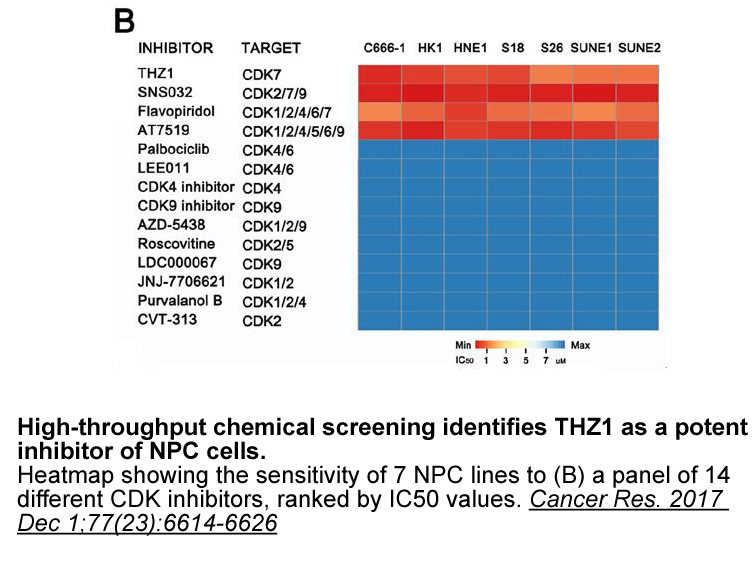
Materials and methods Results Discussion Author contributions JH purified protein, performed vanadate inhibition experiments, crystallized, collected data, determined and refined the ATX-VO5 structure, analysed all the structures, prepared the displayed items and supervised ALHE; WJK con
-
ATM dependent initiation of radiation
2024-05-14
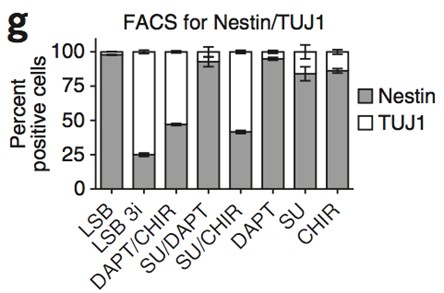
ATM-dependent initiation of radiation-induced G2/M checkpoint arrest is well established [11], [34], [35]. However, the ATR pathway may also be involved [36], [37]. Brown and Baltimore generated Cre/lox-conditional cell lines or Remodelin with a kinase inactive allele of ATR (ATRkd) to evaluate the
-
Several structural classes of ASK inhibitors
2024-05-14
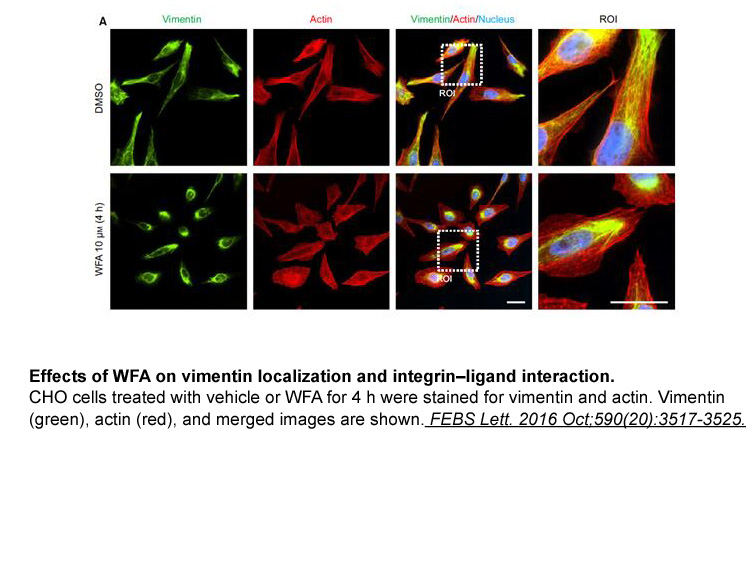
Several structural GSK1838705A of ASK1 inhibitors, mostly from industry but also from academia, have been identified over the last decade. In 2012, Terao et al. (Takeda) reported imidazo[1,2-α]pyridine () as a potent ASK1 inhibitor derived from structure-based drug design. GSK, Merck and Gilead reve
-
The sequential behavioral approach used in the
2024-05-13
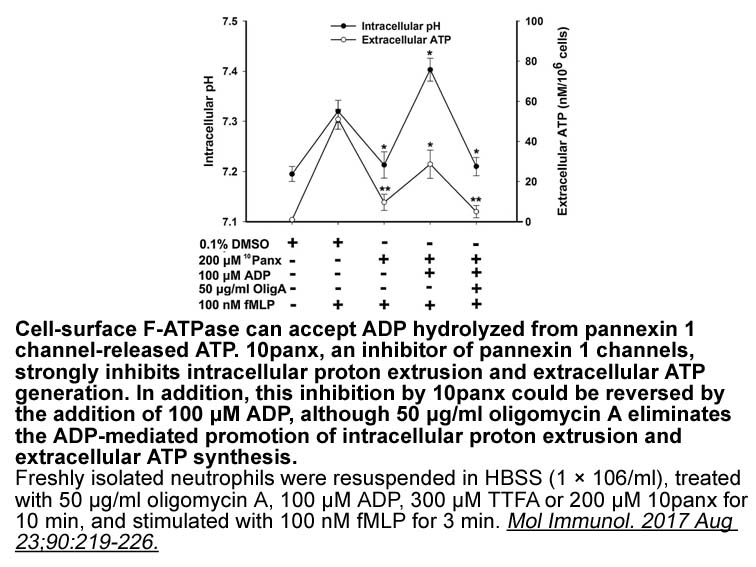
The sequential behavioral approach used in the present study reinforced the involvement of the BDNF/TRKB system in the effect of losartan. In mice with dampened BDNF expression, losartan was no longer able to exert antidepressant-like effects. Similar to what was observed after losartan treatment, t
-
Analysis of the crystal structures of LAPs from E
2024-05-13
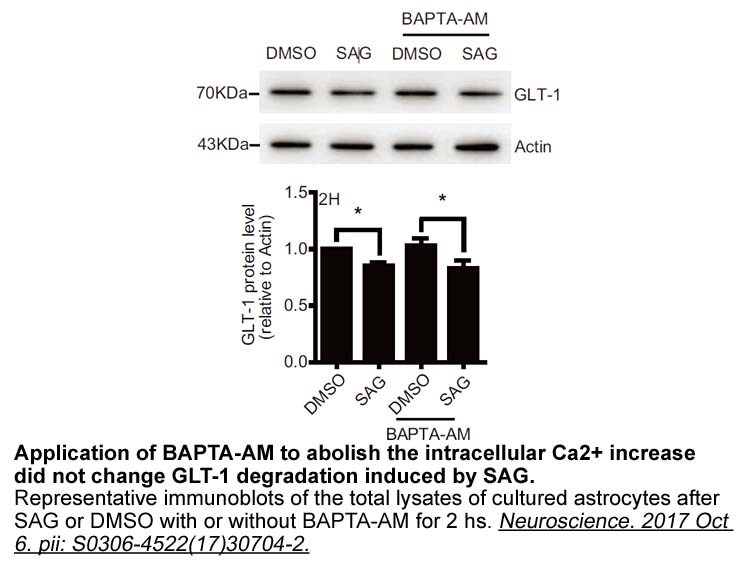
Analysis of the crystal structures of LAPs from E. coli[29], bovine eye lens [30], Pseudomonas putida[27], tomato [31] and P. falciparum[32] revealed that the monomer of M17-family LAP is composed of two domains: the smaller, variable N-terminal domain and the larger, conserved C-terminal domain tha
-
br Material and methods br Results br Discussion RSV is
2024-05-13
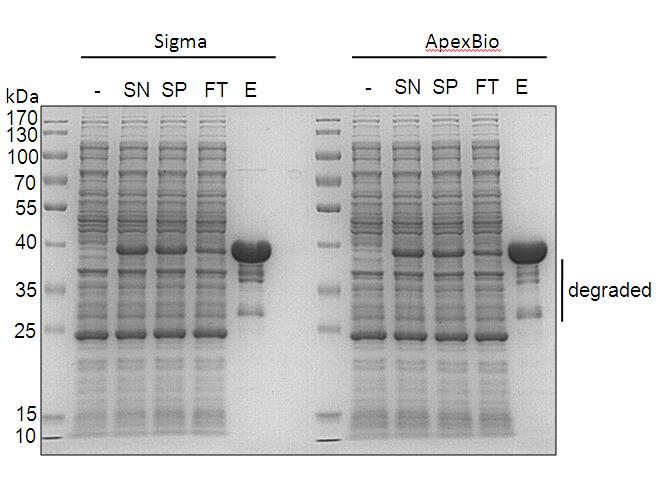
Material and methods Results Discussion RSV is a major cause of lower respiratory tract infections in infancy and early childhood. Several observations suggest that immunological mechanisms may be the key to understand the severity of RSV bronchiolitis in infancy. Several laboratories have
-
br Results br Discussion By using
2024-05-13
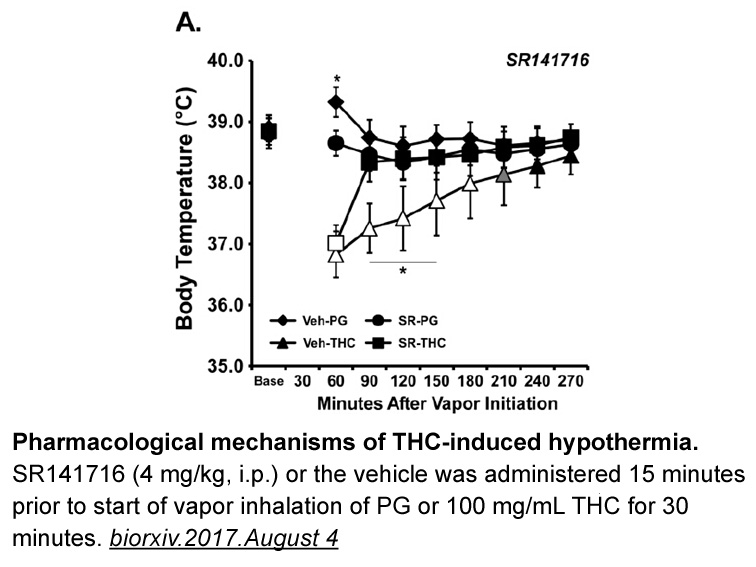
Results Discussion By using an unbiased proteomic screen for xCT binding partners, followed by functional validation, we have made the surprising discovery that mTORC2 regulates amino SB742457 sale metabolism in tumor cells by phosphorylating serine 26 of the cystine-glutamate antiporter xCT o
-
br Stress glucocorticoids as risk factor for
2024-05-13
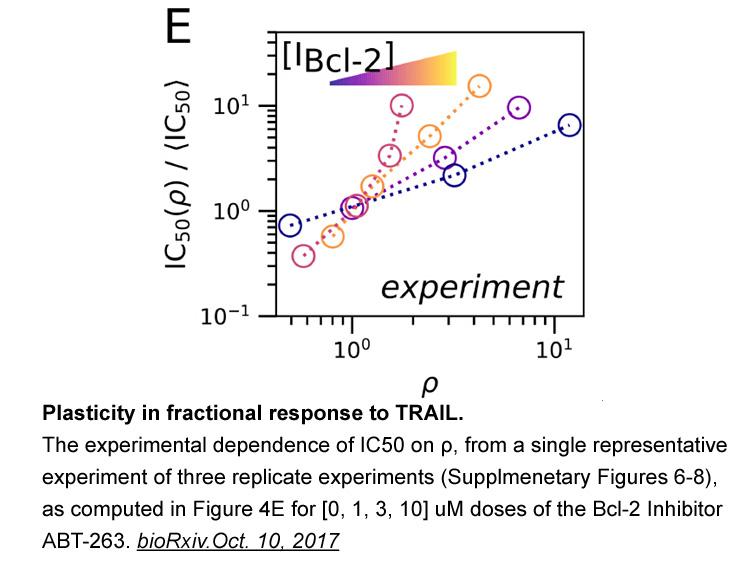
Stress/glucocorticoids as risk factor for Alzheimer’s Disease: preclinical studies A role for glucocorticoids in shaping the risk for AD is supported by animal studies using rats or mice injected with Aβ oligomers, tau protein or excitotoxins, or transgenic (Tg) mice carrying mutations associated